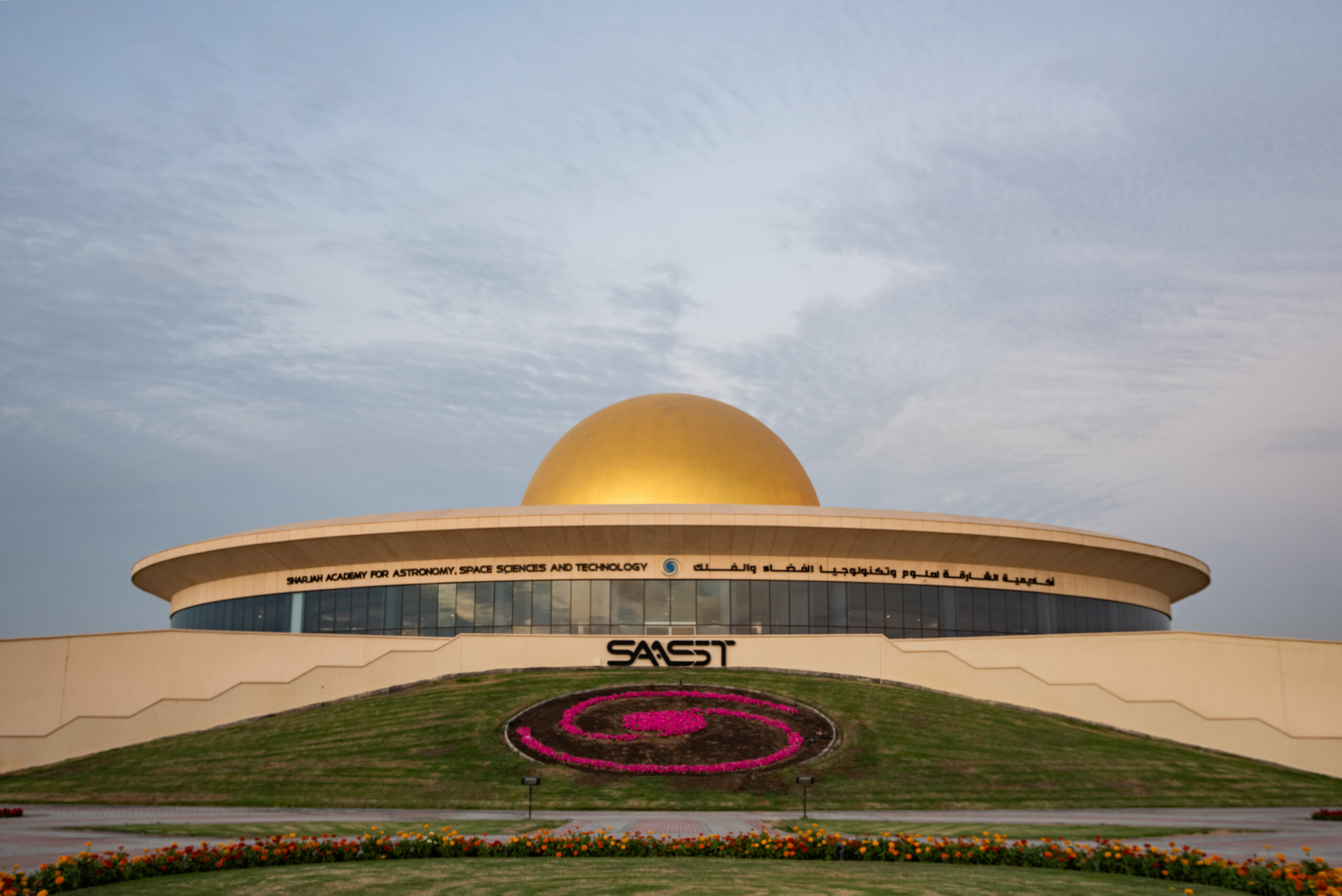
SHARJAH, 7th March, 2026 (WAM) — The Sharjah Academy for Astronomy, Space Sciences and Technology (SAASST), through its astronomical observatory, has delivered a precise astronomical verdict on the Shawwal crescent moon for 1447 A.H. Friday, March 20, 2026, will mark the first day of Eid al-Fitr across the UAE, the announcement confirms, as Ramadan completes its full 30 days.
Calculations reveal no visible new moon on Wednesday, March 18, or 29 Ramadan, the eve of crescent sighting. The moon sets before the sun in the western sky that night. Thursday, March 19, thus rounds out the holy month.
The observatory details the moon’s surface conjunction over Sharjah at 4:24am UAE time on Thursday. By sunset that evening, the crescent will boast just 14 hours and six minutes of age, a mere 6.5-degree elongation from the sun, and six degrees above the western horizon – lingering 29 minutes post-sunset.
These critical conditions render sighting improbable, even with telescopes, and impossible by naked eye locally. Advanced stacked imaging might capture it faintly, but odds remain slim.
Yet some Arab and Muslim nations may glimpse the crescent moon unaided or telescopically, thanks to favorable geography.
SAASST seals its forecast that by divine will, Friday 20 March ushers in Shawwal’s first day and Eid al-Fitr blessings for the UAE and most Islamic countries. Naked-eye or telescope reliant states -those who determined the start of Ramadan on Thursday, February 19, rather than Wednesday, as in the UAE- might delay to Saturday.