ABU DHABI, 15th February, 2026 (WAM) — The Ministry of Culture has announced the inscription of five UAE heritage sites on the Islamic World Educational, Scientific and Cultural Organisation’s (ICESCO) List of Islamic World Tangible Heritage.
The announcement was made during the 13th session of the meeting of the Islamic World Heritage Committee (IWHC), held in Uzbekistan.
The newly inscribed UAE sites include Saruq Al Hadid in Dubai, alongside four sites in Sharjah – Al Faya site in the central region, the historic towers and forts of Khorfakkan, the Al Nahwa, and Wadi Al Helo.
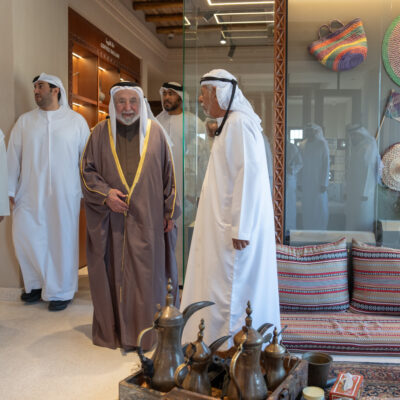
Sheikh Salem bin Khalid Al Qassimi, Minister of Culture and Chairperson of the National Commission for Education, Culture and Science, said, “The inscription of these new sites on the List of Islamic World Tangible Cultural Heritage marks a significant milestone that reflects the depth and richness of the UAE’s cultural heritage, as well as the country’s commitment to protecting and preserving its historical sites. This recognition further underscores the UAE’s position as an active and effective member in the efforts led by ICESCO to preserve heritage across the Islamic world.”
He added, “We will continue to strengthen the presence of Emirati heritage on international heritage lists by documenting our historical sites and supporting initiatives that promote heritage sustainability and ensure its protection for future generations.”
The Minister of Culture also commended the efforts of the Ministry’s working teams, including the National Commission for Education, Culture and Science, for their pivotal role in coordination and follow-up with ICESCO. He lauded the contributions of the Ministry’s partners, including the Dubai Culture and Arts Authority and the Sharjah Archaeology Authority.
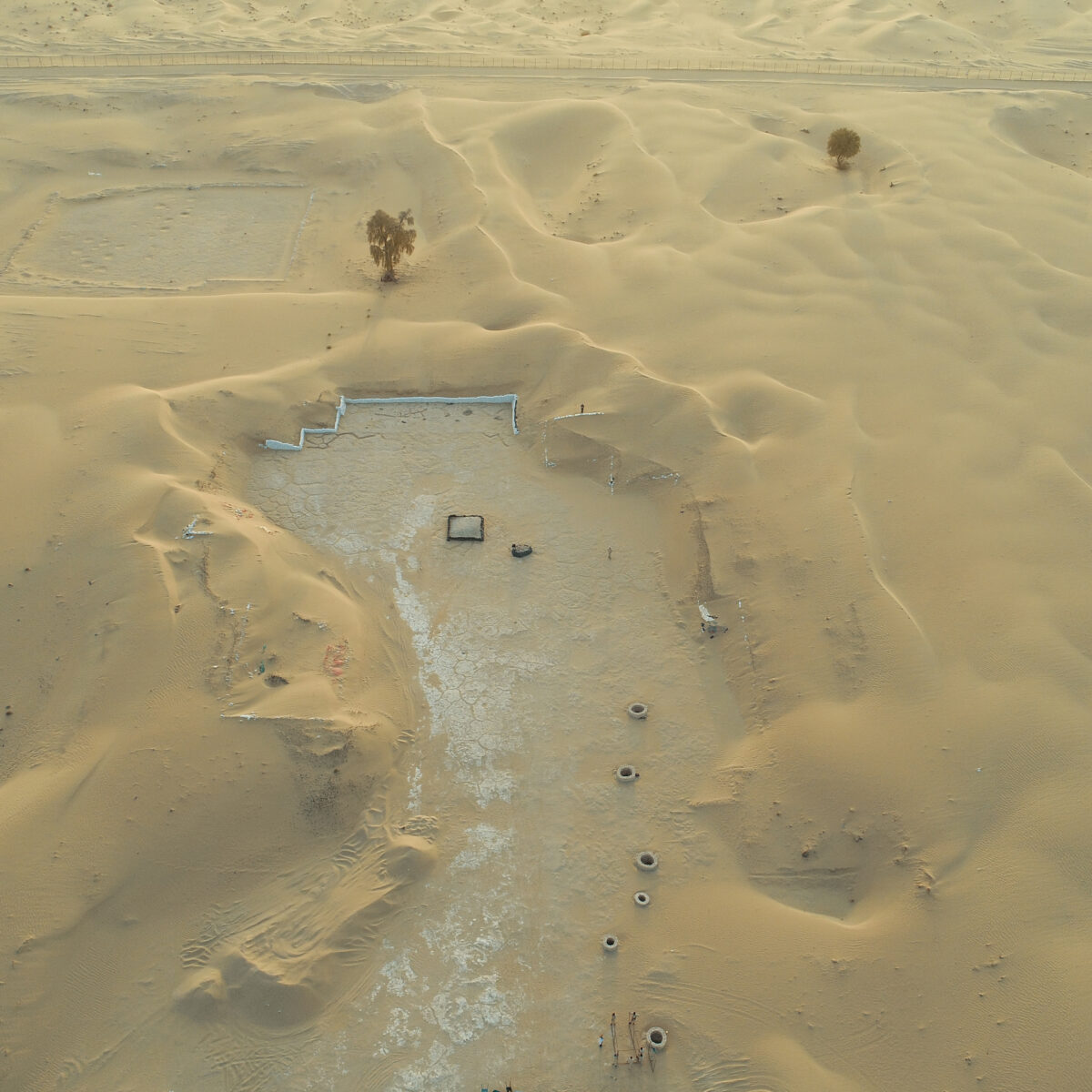
Located approximately 95 kilometres from the city, Saruq Al Hadid is one of the Dubai’s most remarkable archaeological sites. Discovered in 2002 after His Highness Sheikh Mohammed bin Rashid Al Maktoum, Vice President, Prime Minister and Ruler of Dubai, noticed dark patches in the sand dunes during a flight, the site was later identified as remnants of metallurgical slag from ancient smelting activities. Archaeological studies indicate that the site dates back to the Early Bronze Age (2600 BCE) and remained active until the Late Iron Age (550 BCE), making it one of the richest mining and metal production sites in the south-eastern Arabian Peninsula.
Excavations have uncovered thousands of historical artefacts, including bronze, pottery, and stone tools, a variety of weapons, gold and silver ornaments, seals, beads, and metal snake figures. These findings reaffirm the site’s standing as an advanced industrial hub for metal smelting during the Iron Age.
In the emirate of Sharjah, ICESCO inscribed the “Faya Palaeolandscape,” one of the region’s most significant heritage sites and an exceptional testament to early human settlement. Additionally, the inscription included Wadi Al Helo in the Eastern Region, recognised as the most ancient testimony of copper mining in the Arabian Peninsula during the transitional period from the Neolithic period.
The site stands as a comprehensive testament of the local development of copper mining techniques, reflecting the ancient relations between the valley’s inhabitants and the environment by adapting to its geological and geographical factors. Al Wadi contains rock carvings that date back to the Bronze Age as well as the remains of historic villages, making it living example of the integration between natural and cultural heritage and an ideal destination for ecotourism such as hiking and camping.
ICESCO also inscribed the historic towers and forts of Khor Fakkan, which form an integrated defensive system reflecting the city’s strategic importance over the centuries. These include the Portuguese Fort and Al Adwani Tower. These fortresses have played a pivotal role in protecting the harbour, standing as a living testament to the advancement of fortress architecture from the 14th century to the 20th century. The significance of the Portuguese Fort lies in being the only surviving triangular-shaped fort that remains standing in the eastern Arabian Peninsula to this day.
Located south of Khor Fakkan, the Al Nahwa was inscribed on ICESCO’s List for its unique archaeological and cultural value. The area features rock carvings from various historical periods, ranging from the Bronze Age to modern times. These carvings have been documented by using cutting-edge three-dimensional digital technologies as part of scientific efforts to preserve this human heritage and its endurance.
This new inscription builds on the UAE’s efforts to strengthen its presence on the Islamic World heritage lists. Previously inscribed sites include the Settlement and Cemetery of Umm An-Nar Island in Abu Dhabi, Abu Dhabi Sabkha, Khor Dubai, Sharjah: the Gate to the Trucial States, Sir Bu Nair Island, Sharjah’s Cultural Landscape of the Central Region, Ed-Dur Site in Umm Al Quwain, Al Bidya Mosque in Fujairah, as well as Dibba Al Hisn Fort, Fili Fort, and Wadi Shees in Sharjah.